My SD card is detected by my computer and phone, but I can’t open it or access any files. It suddenly stopped working after I moved photos and videos, and I really need help figuring out if this means the card is corrupted and whether there’s a safe way to repair it without losing my data.
I learned this the annoying way. An SD card looks normal, then out of nowhere it flips to unreadable. I’ve had it happen after a camera froze, after a file copy got interrupted, after the battery died mid-recording, and once from pulling the card out too fast. What makes it worse is the corruption warning tends to show up before you’ve copied anything off.
The part people miss is this. A corrupted SD card does not always mean the photos, videos, or docs are dead. A lot of the time, the file system is what got damaged, while the raw files are still sitting there.
So first thing, don’t hit the repair or format prompt your device throws at you. If Windows, Android, a camera, or anything else asks to format the card, stop there. You might need to format later. You should not start there if your files matter.
Get the data off first.
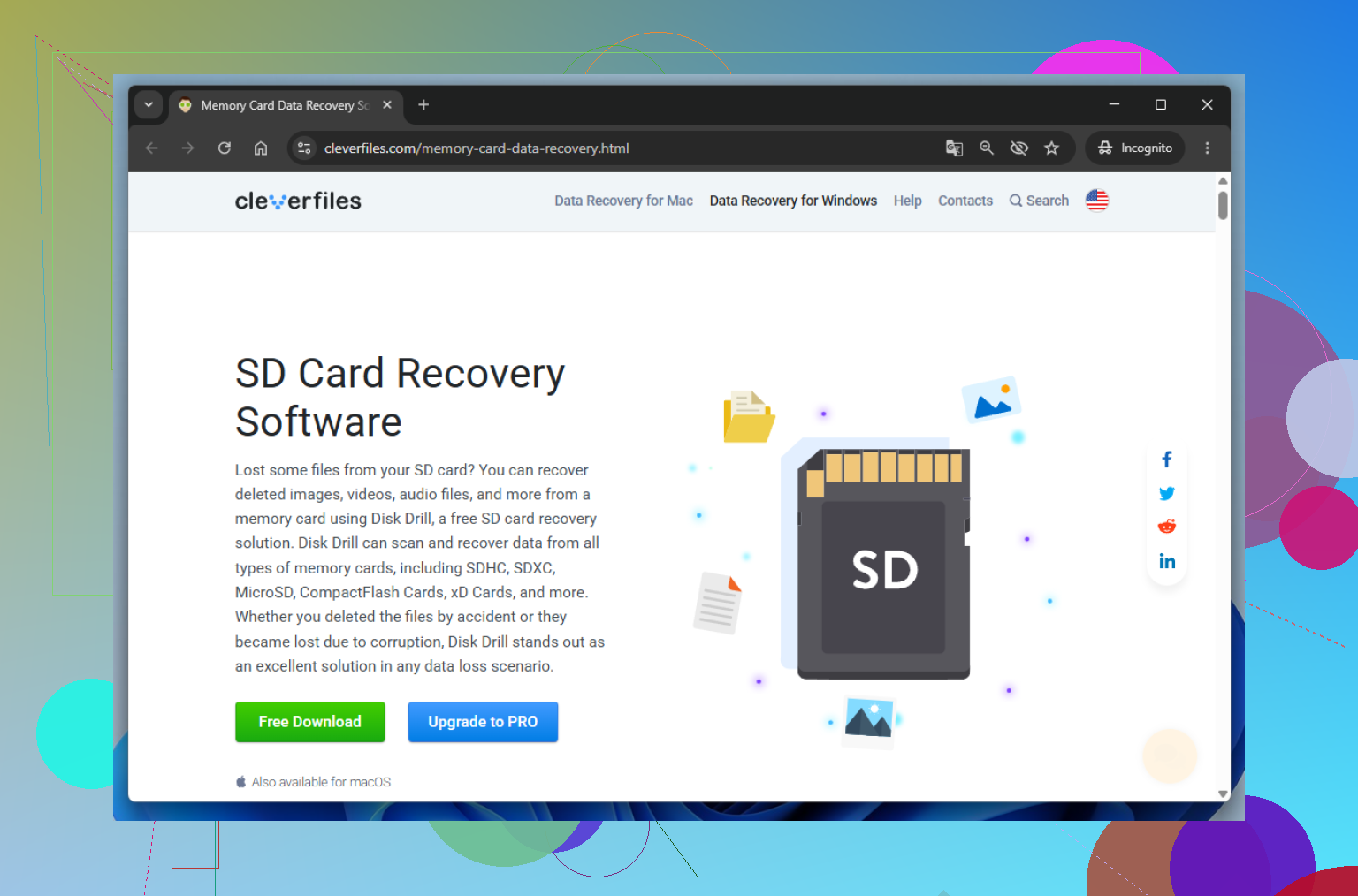
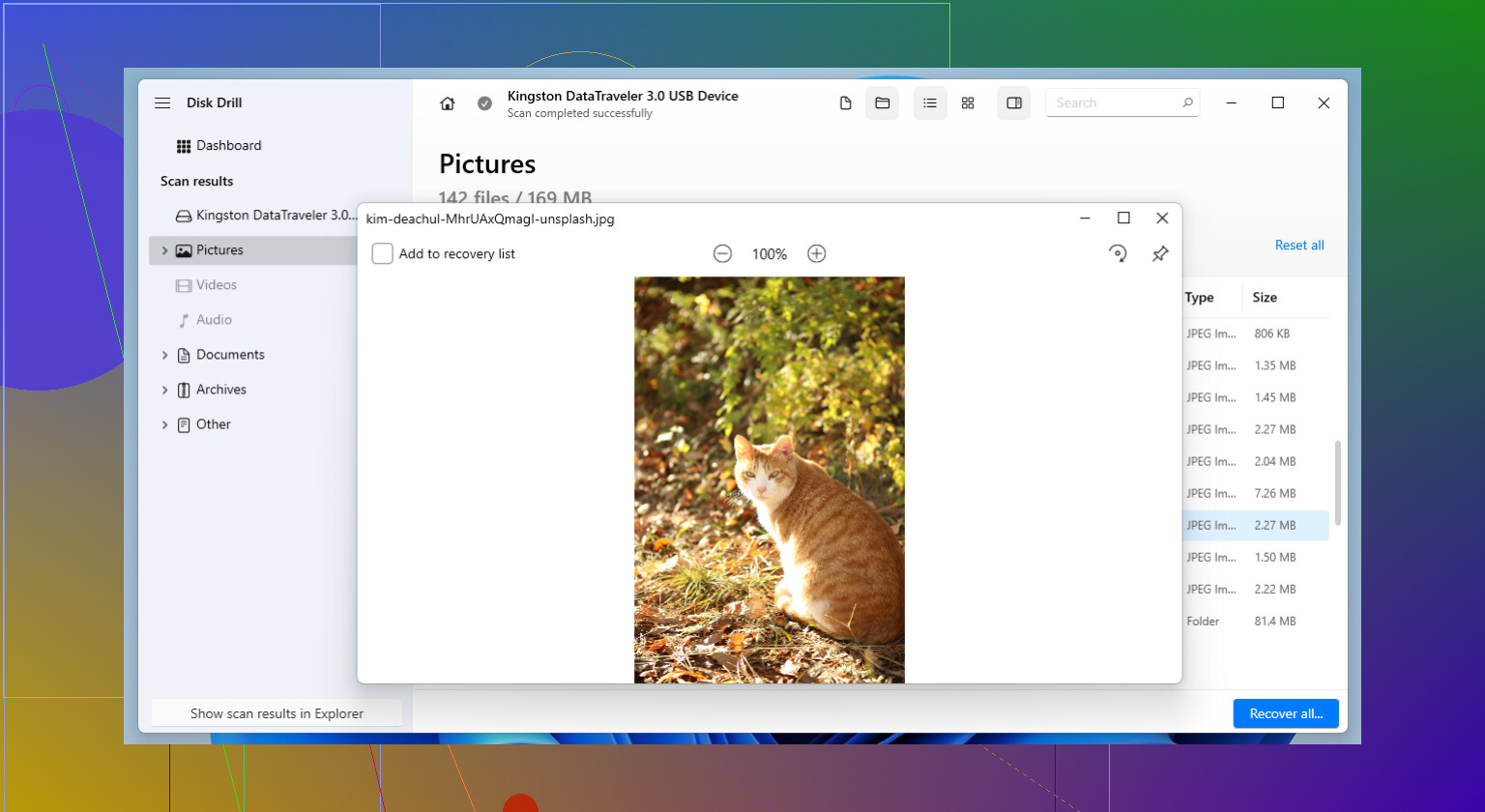
I usually start with Disk Drill. It has worked well for me on messy SD card failures, and the big reason I keep using it is the byte-for-byte backup option. I make an image first, then scan the image instead of hammering the original card over and over. Once the recovered files are copied somewhere else and I’ve opened a few to make sure they’re not broken, then I mess with the card itself.
After that, I go through fixes in this order.
Method 1: Run CHKDSK on the Card
CHKDSK is built into Windows. It deals with file system errors, not dying hardware, so it’s a decent first move when the card suddenly stops opening, throws errors, or keeps asking for a format.
Steps:
1. Put the SD card in your computer.
2. Open File Explorer and check the drive letter for the card.
3. Open the Start menu and search for Command Prompt.
4. Right-click it, then pick Run as administrator.
5. Type chkdsk X: /r and swap X for the SD card’s drive letter.
6. Press Enter and let it finish.
On larger cards, this takes a bit. If the issue is damaged file system records and not bad flash memory, CHKDSK sometimes brings the card back without much drama.
Method 2: Restore the Partition with TestDisk
If CHKDSK does nothing, or the card shows up as unallocated space, missing capacity, or a lost partition, I move to TestDisk.
This tool goes after partition structure problems instead of single files. I’ve seen cases where all the data was still there, but the partition table was busted, so the system had no clue how to read the card.
How I do it:
1. Download and open TestDisk.
2. Pick the damaged SD card from the drive list.
3. Use the partition table type the program suggests.
4. Select Analyze.
5. Run Quick Search and wait.
6. Look through the partitions it finds.
7. If the missing partition shows up correctly, choose Write to restore the partition table.
8. Restart your computer if it asks.
The interface looks old. Like, old old. Still, I’ve had it recover cards I thought were done for. Ugly tool, useful tool.
Method 3: Format the SD Card
If neither CHKDSK nor TestDisk gets the card working again, formatting is the last repair step I bother with.
By this point, your files should already be recovered and saved somewhere else. Formatting is no longer about saving data. It’s about rebuilding the file system so the card has one more shot at being usable.
Steps:
1. Open File Explorer.
2. Right-click the SD card and choose Format.
3. Pick exFAT unless your device needs something else.
4. Leave allocation unit size on Default.
5. Click Start.
6. Wait for the process to finish.
If the format completes and the card behaves after, the problem was likely file system damage. If it starts corrupting again after a fresh format, I stop wasting time. In my expereince, repeated corruption usually points to physical wear, not some weird software glitch.
At that stage I replace the card. Flash storage wears out. Once a card starts acting flaky over and over, I don’t trust it with anything important again.
1 Like
Yes, it sounds like corruption. Not always dead card, though.
If the SD card shows up with a drive letter or device name, but folders won’t open, files error out, or your phone sees it and still won’t read it, the usual causes are file system damage, a bad card reader, or failing flash memory. Since it died right after moving photos and videos, I’d lean toward file system corruption first.
I agree with @mikeappsreviewer on one big point. Do not start by formatting it.
Where I differ a bit is CHKDSK. I would not run it first if the files matter a lot. CHKDSK sometimes fixes access, but it also changes the file system in place. On damaged media, that is not always the move you want. I’d test the card first, then recover data first, then try repairs.
My order would be:
-
Try a different reader, port, or adapter.
A bad USB reader causes this more often than people think. I’ve had one SD look “corrupt” on a cheap reader and read fine on another laptop. -
Check what the computer says about the card.
If Windows shows RAW, 0 bytes, or asks to format, corruption is likely.
If Disk Management shows the right size but no healthy file system, same story.
If the size is wrong or keeps changing, the card itself might be dying. -
Make a full image of the card before repairs.
This is where Disk Drill is useful. Its byte-to-byte backup feature matters more than people give it credit for. You work from the image, not the unstable card. That lowers risk if the card gets worse mid-scan. If you want more detail first, this Disk Drill review for SD card recovery and backup imaging covers the main stuff in plain english. -
Recover files to a different drive.
Never save recovered files back onto the same SD card. That part trips people up alot. -
After recovery, test the card.
Use H2testw on Windows or F3 on Mac/Linux. Those tools check for fake capacity and bad sectors. If the write/read test fails, toss the card. Don’t trust it again.
A rough rule. If the card reads once after repair and then breaks again, it’s done. SD cards are cheap. Lost photos are not.
So yes, it might be fixable. Your data still has a decent shot if you stop using the card right now and recover first, repair second.
If it shows up but won’t open, yeah, corruption is high on the list, but I would not assume the card is 100% dead yet. That exact “detected but inaccessible” thing can also happen when the file table gets messed up, the adapter is flaky, or the card got forced into read-only mode because it’s starting to fail.
I’m a little more cautious than @mikeappsreviewer on “try fixing it” stuff right away, and pretty close to @yozora on this part: don’t let Windows or your phone “repair” anything before your data is copied out. Sometimes those auto-fixes help, sometimes they make the mess harder to recover.
What I’d do first is super boring but important:
- stop using the card
- do not copy more stuff to it
- do not format it yet
- try reading it on a PC, not just a phone
- if you’re using a microSD adapter, swap the adapter too
One thing nobody mentions enough is checking Device Manager or Disk Management for weird behavior. If the card appears/disappears, reports the wrong size, or hangs the whole reader, that leans more toward hardware failure than simple file system corruption. If it shows normal capacity, that’s slightly more hopeful.
If the files matter, I’d skip straight to making an image and scanning that. Disk Drill is solid for this because it can create a byte-to-byte backup of the SD card first, which is way safer than poking the original media over and over. Then recover the photos/videos to your computer, not back to the card. After that, if you still want to see whether the card is salvageable, then mess with repairs or formatting.
Also, preview a few recovered files before declaring victory. I’ve seen cards “recover” a bunch of videos that were actually half-corrupt. Super annyoing.
After recovery, format the card fully, not quick format if you have time, and test it. If it errors again after that, retire it. Seriously. SD cards get sketchy fast once they start this behavior.
If you want a walkthrough, this step-by-step guide to fix a corrupted SD card and recover lost data covers the basic process pretty well.
Short version: yes, it can be fixd, but recover first, repair second. If it keeps acting weird after a fresh format, the card is toast.
Detected-but-unopenable usually means one of two things: the file system is wrecked, or the controller on the SD card is starting to fail. I mostly agree with @yozora and @byteguru on doing recovery before repair. I slightly disagree with jumping to CHKDSK at all if the card has family photos or videos you cannot replace. On shaky flash media, “fixing” can also rearrange the mess.
One extra check I’d add: look at the card’s behavior, not just whether it appears.
- If opening it freezes File Explorer or your phone’s file app, hardware failure is more likely.
- If it shows normal size and label but no folders open, that leans more toward file system corruption.
- If files copy at 0 KB/s, then error out, that can be bad NAND cells.
Also inspect the microSD adapter’s lock switch. Sounds dumb, but half-broken adapters can make cards act bizarre.
For recovery, Disk Drill makes sense if you want to image the card first and work from the image. Pros: easy interface, byte-for-byte backup, decent photo/video recovery, previews. Cons: not the cheapest option, deep scans can take a while, and heavily damaged cards may still need something more specialized.
After recovery, I would not “fix and trust” the card. Even if @mikeappsreviewer’s format route gets it usable again, demote it to temporary use only. Important rule: if an SD card corrupts once right after a transfer, assume it may do it again.